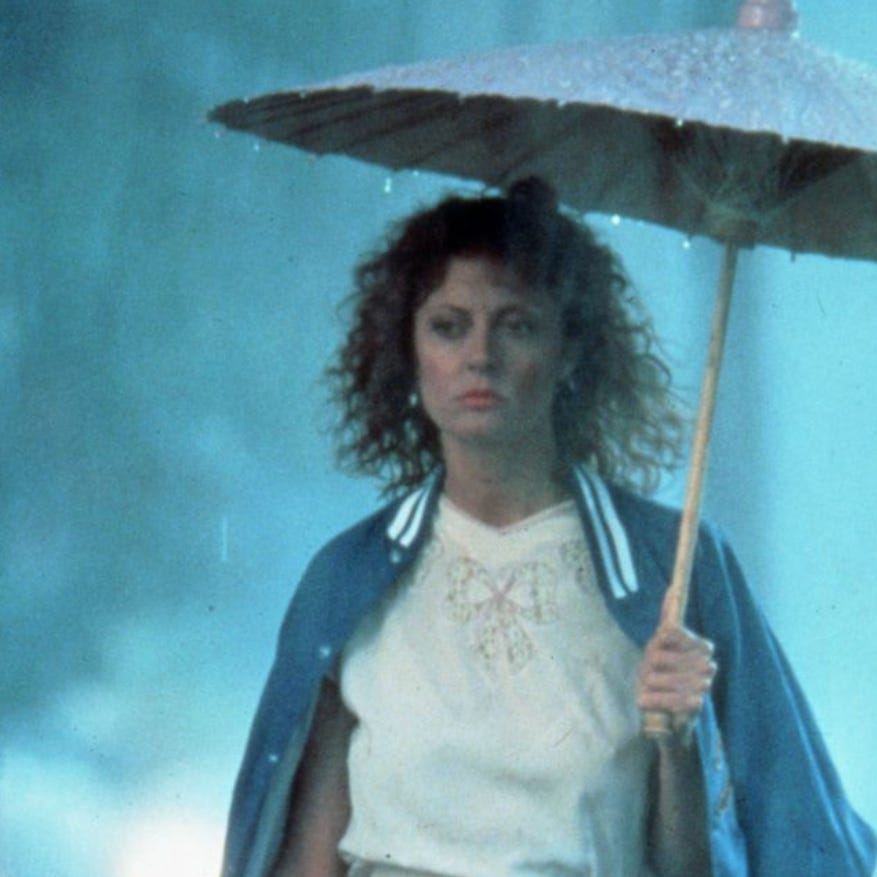
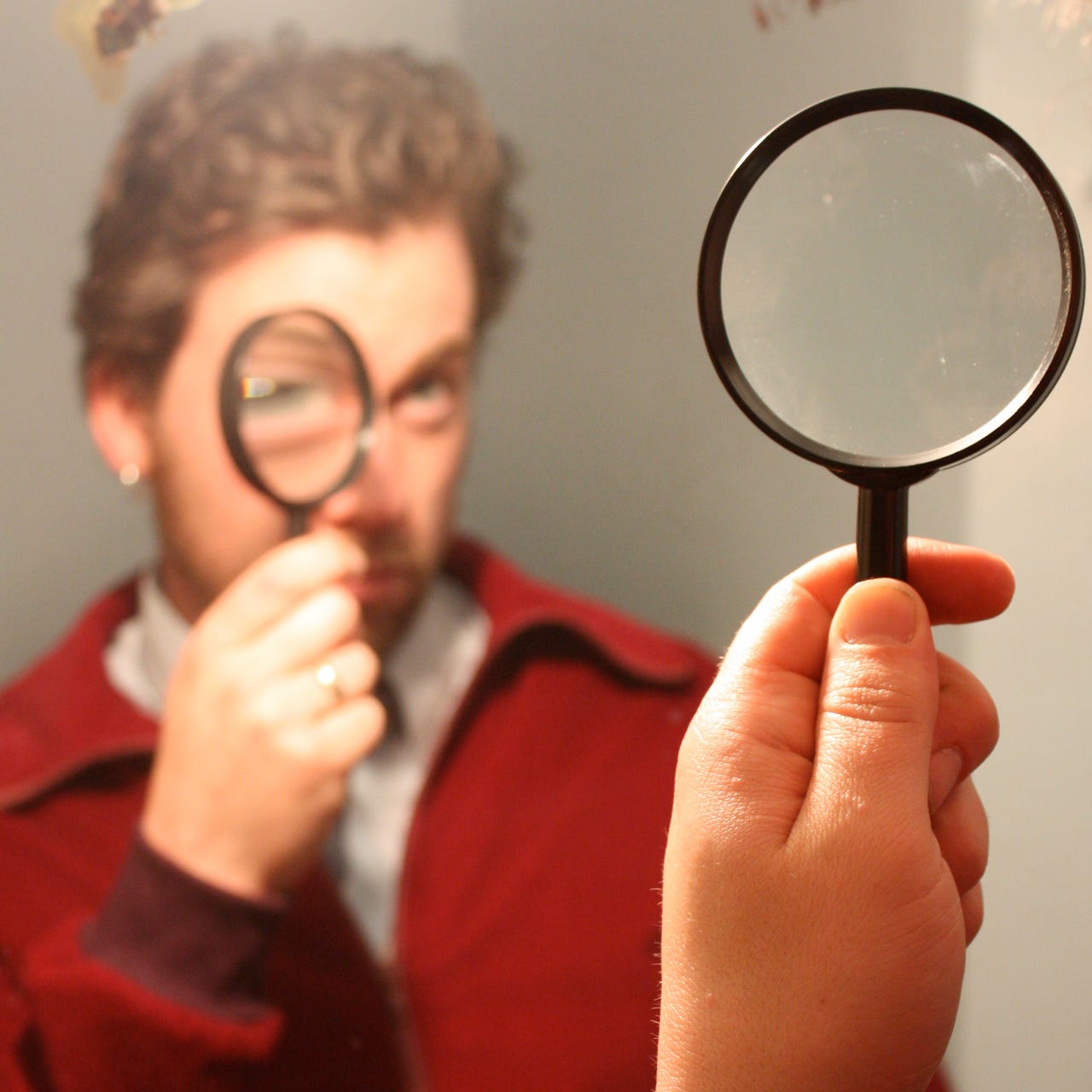
Sometimes It Rains in the North of Summer: A Conversation with T.R. Kingston
Chatting with the Canadian musician about his inspirations, upbringing, and life as a performing artist


Music has the ability to foster kindred connections that transcend generation, affiliation, and nation. When musician T.R. Kingston emailed me his song “Drag Queen” for an edition of The Medley, it sparked a kinship that ultimately reminded me why I’m passionate to learn about other people’s art, stories, and worldview. We became virtual pen pals and he was gracious to allow me to dust off my music journalist hat for an interview.


The interview was conducted via email, where we sent myriad notes, songs, and links back & forth. At one point, Kingston reached out after listening to Wyclef Jean’s The Carnival on the deck at his cottage. He explained why he was fond of Jean’s debut solo album, namely the track “Sang Fézi.”
“The Haitian creole mojo with the organ and then Lauryn [Hill] coming in. OMG.”
We also spoke about his inspirations and the first time he encountered Nina Simone’s music. “When I was in university, I walked into a record store and bought Nina Simone’s Broadway-Blues-Ballads based on the cover. I had never heard of her or heard her sing before. That album changed my life. The way she expressed herself was a revelation. So dramatic, emotional, angry, sad, goofy and fun. Everything,” he shared.
Kingston cited Simone as one of many female singers he connects with most. “Chrissie Hynde, Rickie Lee Jones, Mary Margaret O'Hara, and Christine McVie too,” he said. He had previously mentioned that Pirates by Rickie Lee Jones is an album he feels inclined to buy for anyone younger who he encounters while perusing a record shop. Having not heard the record before, I played it and understood why Pirates might have such resonance. It’s often billed as a breakup album, but it’s so much more expansive than that.
Expansive is also how I’d describe both Kingston’s music and his writing—he explores music with the same depth that he writes about sports, literature, and electoral politics. From bands to solo work, Kingston has an exquisite musical archive that goes beyond genre and touches on many aspects of the human condition. His lyrics generate feelings that are simultaneously universal and personal—the musings of both the observer and the active participant of life in all its richness and complexities.
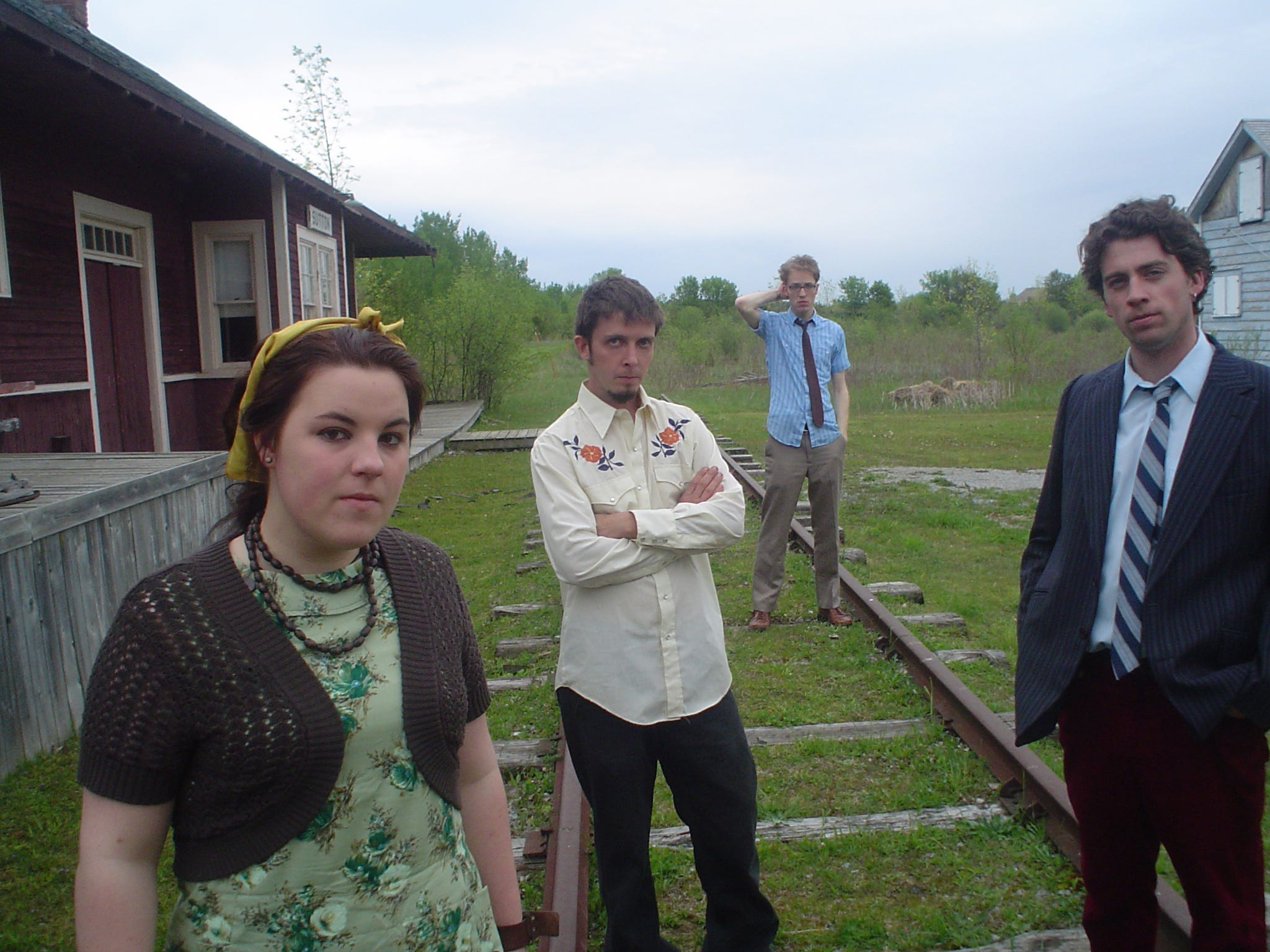
North of Summer was one of Kingston’s early formative bands. The band’s name comes from a book of poetry by Al Purdy. “A good amount of my early catalogue was actually as that group,” he explained. Over time, I learned more about the music in his catalogue that still impacts him heavily, such as “Warning Shadows” on the Jazz Asteroid LP. “[It’s] a song I still really connect with. That album is a real breakaway project in my musical journey. I'm proud of it. I recorded it with Dave Draves in Ottawa at Little Bullhorn Studios. It's a piano ballad, Broadway-ish sorta LP. Challenging and conceptual,” he said.
Read on for the full Q&A.
When did you first start making music? What instruments do you play?
A real piano is a portal to another dimension for a kid. The sustain pedal shoots you across the galaxy. It's a pretty common family story. My dad played all day long. So piano first, in utero. The saxophone starting at about 8 years old, until now. “Muppet Show Theme” in school band. I used to play “I Just Called To Say I Love You” by Stevie Wonder to my old Irish grandpa. He loved it.
I noticed that you’ve begun sharing your archive of writing about sports like hockey and tennis. You’ve mentioned that athleticism is an artform; I find that music and sports are connected by the elements of commitment and entertainment. How do your broader interests and/or hobbies inform your sound (if at all)?
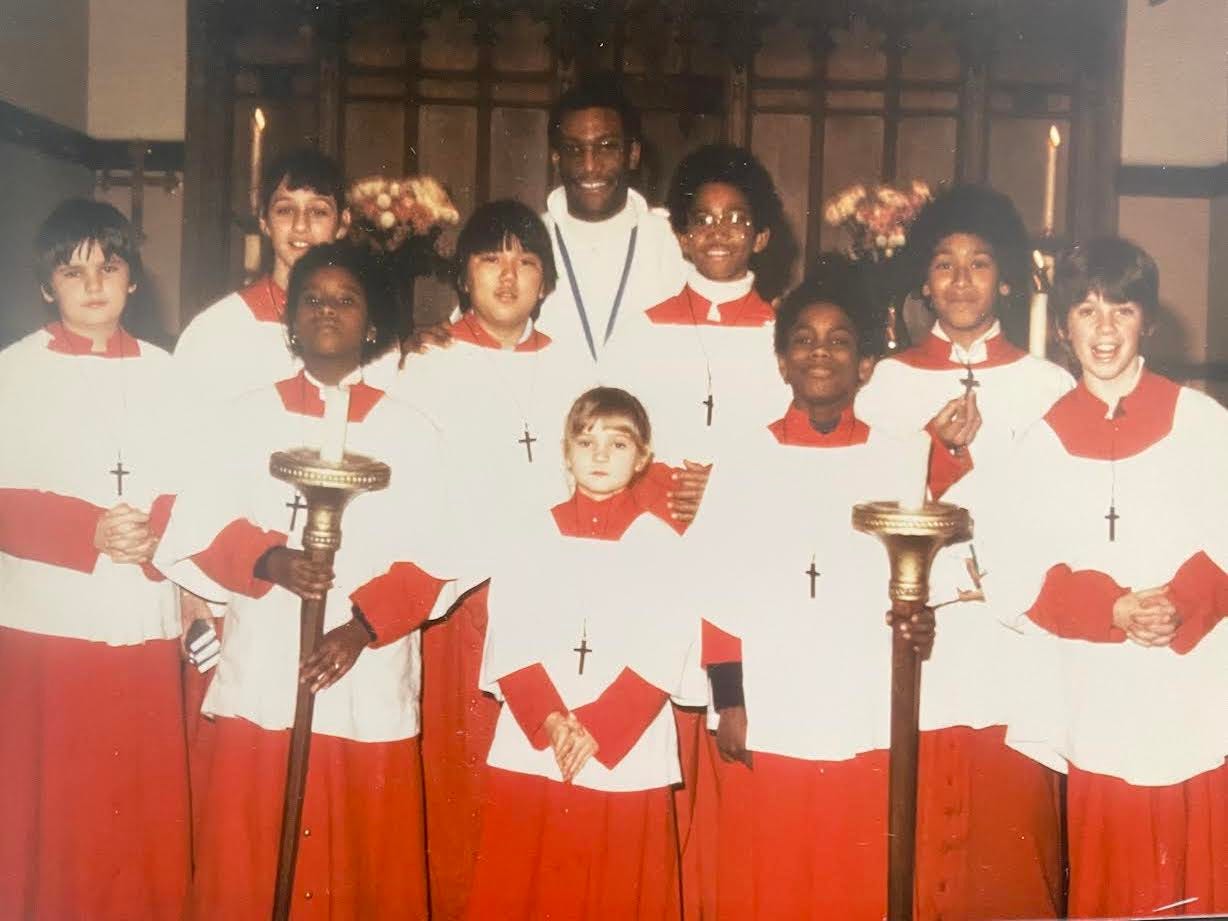
I grew up around a lot of old Anglican matriarchs. We say Anglican in Canada, meaning Church Of England. They were war brides. Flappers, you know. Amazing independent women. Really tough and curt, but also very cultured. Lots of time outdoors getting dirty and then singing hymns and drinking tea and sherry. I suppose the men mostly “played” the sports, but sports in general wasn't separated from the rest of culture. Renaissance ideals, I guess. Everyone canoed, skated, played hockey, baseball and you were a watercolor painter and played an instrument. I don't know when everything got so compartmentalized, maybe in the 1950's? Sports and art share a “Don't think” element. But ya also practice and determination.
Your initials spell an abridged version of the word “track” which I find pretty cool. What’s one of your favorite tracks that you’ve worked on in your career? Perhaps there’s a lyric or theme that you continually draw inspiration from?
Hey, that's cool. Is that a texting thing? I'm the worst judge of my own recordings. I second guess everything right after. I think that's why performing live is so important if you can. Recorded music doesn't hold its place in culture like it used to, so you have to get over yourself to do it. We're all poets now. “I Am Not Afraid” was really fun to record and keeps coming up in my life.......“Into The Light,” “Don't Wanna Be Right” & “InnerTube” from The Independent LP are these wonderful indie accidents before I “knew” what I was doing. “Come & Gone” has a lyric I come back to a lot that feels prescient.
'All this coming and going is the seed of invention
prehistoric telescope
shadow shapes of light
goodbye segregation politics
those old emotions
hello transient expressionism
life improvised
it's the rhythm you're chasing
that's not from a nation
and at the train station
you're waiting
for what's come and gone'
I’m excited to learn that you will be embarking on performing music full time! There’s a dynamism to your recorded music that I imagine translates directly to your live shows. Tell me about your first live performance experience as a musician. Is there something that occurred during that moment that you’ve carried into your subsequent performances?
I did the coffee house folk song show first, like a lot of people. My first time on a proper stage with a band was one of those youth nights at a local non denominational church, but not till my 20's. I was a late bloomer to that type of music in that way. I always wrote songs on a tennis racket or piano but never had the idea to perform them. The confines of rock really made it difficult to find my way on stage. It felt performative in the way we get stuck in the genre of music we grew up with. 3 years or so ago, I started singing and performing with jazz musicians. That was such a big bang moment and opened up a whole new and very natural way of being on stage for me.

Do you have favorite songs to perform? (your own or covers)
I don't do covers. Maybe I should. There is a new album I'm mixing and taking too long with called Shape Of Days. There are some songs on there I love to perform like “Land In Between,” “Burning Hearts” and “A Different Window.” Sometimes I play “Lake Of Many Winds” on my guitar and it feels really good. I wish I could perform “One More Time (For You)” like it sounds on the album, but that would involve the whole rock thing again.
“Be On The Breeze (Michael Stipe)” is the song I enjoy performing the most right now. It has a positive energy that really connects with the audience.
Your music explores a vast array of topics and insightful outlooks of the world. The depth of humanity is tangible through your lyrics. What grounds your creative expression and perspective?
Wonder and amazement at being alive and all we know and have created. It's such a hippie thing to say, but I mean it more formally. My best pals are the people I share an appreciation of things with. I mean Little Richard...really?! Leonard Cohen?! How does that happen? It's all so fantastic. Maybe it's a Thoreau type of thing. Ralph Waldo Emerson has a line I love. “The great shadow pointing always to the sun behind us.” Bishop Desmond Tutu was a huge influence on my teenage mind. It just seems so sad that we can't get our shit together at this moment in history. Like we don't have enough going for us that we are at once perfectly aware of. I guess I've made it my mission to never forget that. Live by it. Ubuntu. I am because we are.
You mentioned being an idea man and an organized person. How do you approach songwriting?
I don't. I'm a blank canvas writer. My curiosity informs my subconscious. So I'm organised in my curiosity. Follow the notes. I've never 'written' a song. You know the way that a good first line writes the whole story? Writing has never been a problem. Figuring out how music and the vagaries of the business fit into life seems incomprehensible to me. The day I stopped letting the need for acknowledgment into my creative process was a very happy day. You never fully stop. It's human nature to check and see who's watching. Maybe that's a sports thing too. Remembering how to play the game like you were a kid again.

How do you approach collaboration?
As a songwriter, I generally defer to the musicians I'm playing with. Musicians play better when they are being themselves. Otherwise, it gets bossy. I suppose if I was able to employ musicians at a level where I could expect certain things I would. The older jazz players kinda solve that tho. They started playing when music was more fluid, in the 50's and 60's. These players played like a thousand shows before they were 25! So when you wanna take the music somewhere and are referring to an album or song they have first hand experience of hearing it when it came out and then playing in a high school gym or bar band or something. Those players can really take the music somewhere else. Find them in your neighbourhood before they're gone. Seriously!
I think there’s something quite cinematic about your music. Songs like “Innertube,” “Face 2 Face,” and “Into the Light” (just to name a few) spark visual scenes in my mind. There’s also a beautiful vintage quality to the artwork you use to accompany your sound—how do you determine what to portray visually?
Old pictures are my biggest influence in all that. Before everything was a selfie, pictures were all over the place and full of accidents. My mom took these pictures of her brothers when she was like 12 in the 1950's and they blow my mind. I think growing up on the Anglican Hymn book really informed my inner sound. When Garth Hudson from The Band died, the obit said he grew up on the Anglican Hymn book too. I grew up in that movie and music video generation too. Maybe we were always seeing the sounds in some way.

The quote on your website alluded to Donovan, The Kinks, and Bob Dylan (we’ve also previously discussed The Kinks as a touch point of inspiration for your music). What are some literary and musical inspirations of yours that listeners might be surprised to discover?
Who knows what people hear in your music. Nothing against Donovan. Pretty sure that reviewer was an older Gen Xer and they have a very unique sense of music history. The best sense in a lot of ways. They were always the cool open minded liberal types that we all looked up to. I think there are a generation of young people who don't understand how caring and inclusive those Gen Xers were and are. The assholes get a lot of attention but there was a really great thread of minding your own business, letting people be themselves and being caring in that generation. There was also this moment in the 90's when I was in my teens when grunge and hip hop lived in an indispensable harmony on the high school dance floor. “Dressed in yellow, she says hello, come sit next to me you fine fellow....” Hip hop was everything. The Carnival by Wyclef Jean is a masterpiece, start to finish. Yele.
What are you currently working on (music or otherwise)?
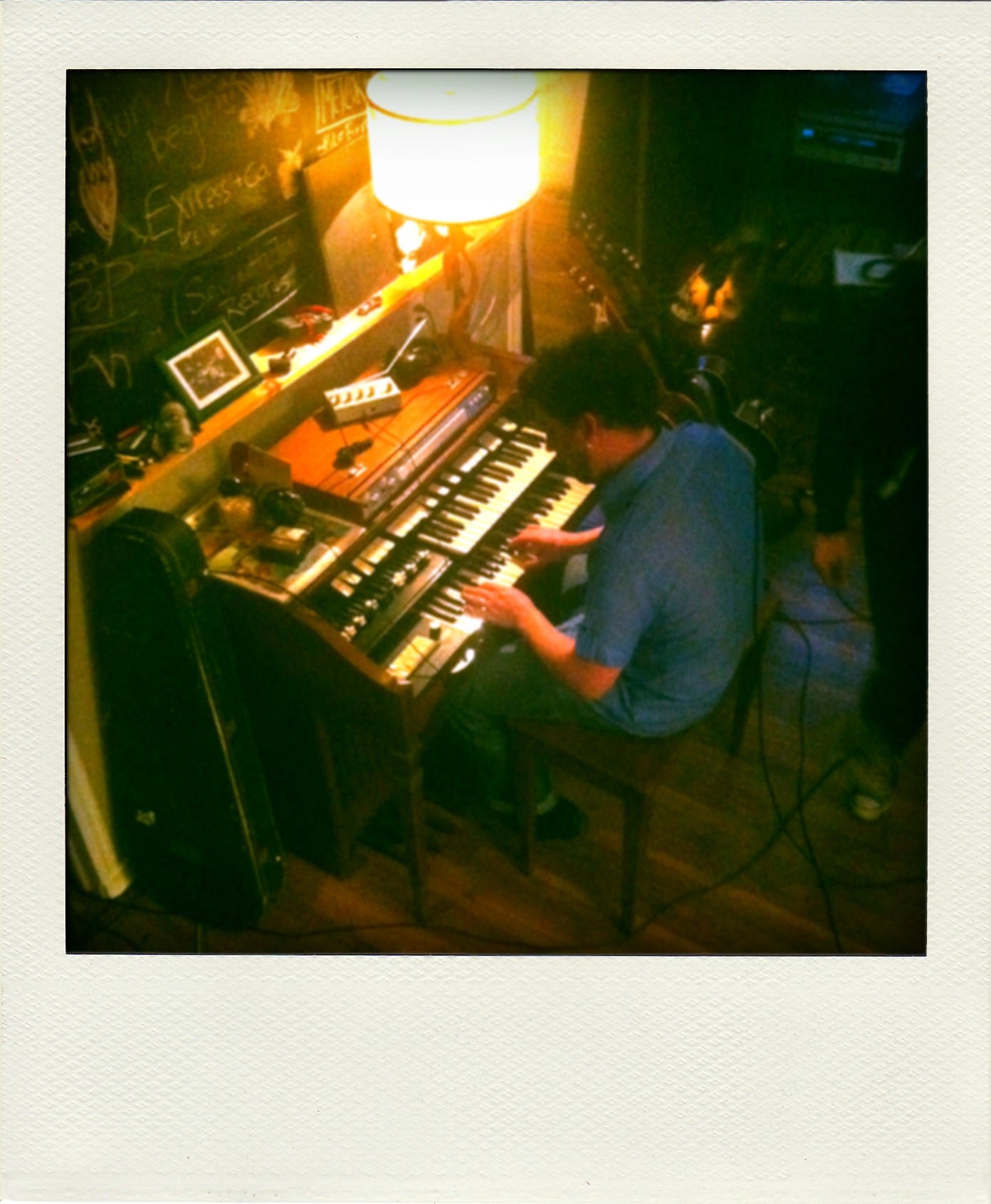
What's worse than musicians talking about their kids? Mine are getting older so I have a lot of time to focus on my art with some resources and wisdom. Performing full time with the time to do it. Hello booking agents! Showcase me. Writing articles and stories feels good.
Anything else you want readers and listeners to know?
Find a river or a lake and swim in it. Listening to records is a thing. It's not everything, but it's a big deal, so if you can, when you can, you should. I think we should stop compartmentalizing ourselves from each other into cliques. Vast parts of the internet and digital culture are fads and toxic. Use it to share an appreciation of things. Use it according to the task. Take long, long breaks. Talk to your neighbours. Ask the checkout worker how their day is. Positivity is contagious. Nature is miraculous. Sometimes it rains.
Thanks to T.R. Kingston for the chat! Subscribe to Kingston’s writing over on Sometimes It Rains and North of Summer. Be sure to check out his Bandcamp page for more music.